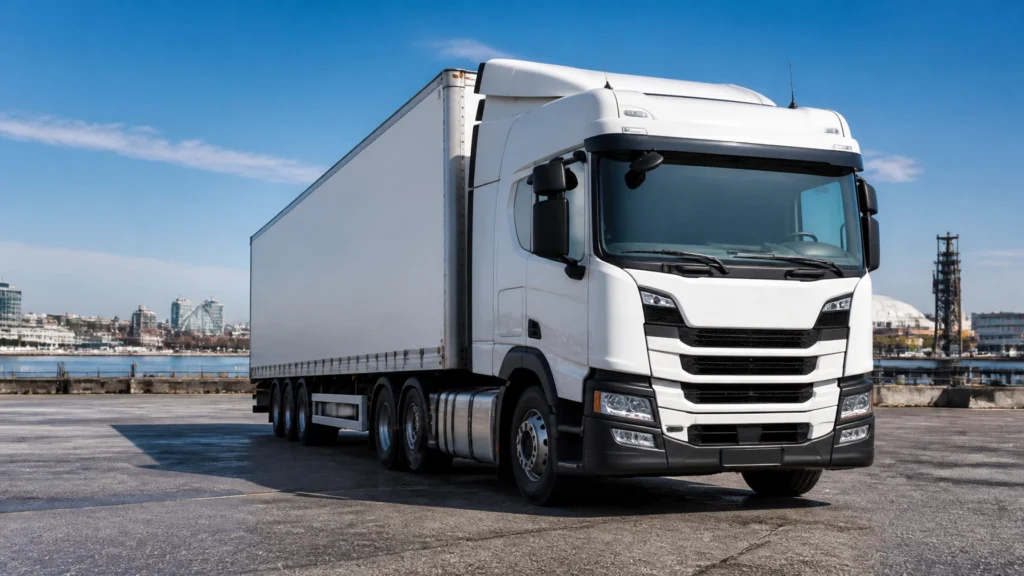
If you’ve spent any time on the M8 lately, you’ll have noticed that the pulse of the Scottish economy is carried on the back of heavy goods vehicles. From the bustling hubs of Glasgow to the Highlands, the demand for skilled drivers has never been higher. For those looking to take the bull by the horns and steer their professional life in a more stable, lucrative direction, a career in logistics isn't just a smart move: it’s a vital one.
But where do you start? The world of HGV training can feel like a maze of acronyms and license categories. This guide is here to cut through the noise. We’re going to break down everything you need to know about hgv courses scotland, the path to getting your lgv glasgow qualifications, and how you can go from sitting in your car to commanding a 44-tonne artic.
The Scottish Driver Shortage: Your Opportunity
It’s no secret that the UK haulage industry has faced significant challenges over the last few years. According to industry data, there is still a substantial requirement for qualified drivers across the devolved administrations. This isn't just about a "help wanted" sign; it’s about infrastructure. Without HGV drivers, Scotland stops.
For you, this means job security. Whether you are a young person looking for your first "real" career or an experienced professional seeking a change of scenery, the road is open. With salaries for newly qualified drivers in Scotland starting around £28,000 and experienced Class 1 drivers often clearing £45,000+, the financial incentive is clear.
Step 1: Choosing Your Path (License Categories)
Before you book an lgv course, you need to know which vehicle you want to drive. At HGV Training Glasgow, we offer a range of programs tailored to different needs.
Category C1 (The 7.5 Tonne License)
Commonly referred to as the "ambulance license," the C1 license allows you to drive vehicles between 3.5 and 7.5 tonnes. It’s a popular choice for delivery drivers, paramedics, and those driving horseboxes.
Category C (Class 2 – Rigid Lorries)
This is the entry point for most heavy haulage careers. Category C allows you to drive rigid vehicles over 3.5 tonnes. If you see a supermarket delivery truck or a refuse vehicle, that’s usually a Class 2. It’s an excellent way to get your foot in the door and gain experience before moving up.
Category C+E (Class 1 – Articulated Lorries)
The gold standard. Category C+E covers articulated lorries with detachable trailers, up to 44 tonnes. These are the giants of the motorway. Most drivers eventually aim for this category because it offers the highest earning potential and the most diverse job opportunities.
Bus and Minibus (Category D & D1)
If you prefer people to pallets, bus training or D1 minibus courses are your route into public transport or private coach hire.

Step 2: The Training Process – From Car to Cab
Getting your license isn't an overnight thing, but with a structured approach, it’s much faster than you might think. Usually, the whole process takes between 4 to 8 weeks.
- The Medical Assessment: Every professional driver needs to meet a specific health standard. You’ll need to undergo a Group 2 medical with a doctor to ensure you’re fit to be on the road.
- Provisional Application: You’ll send off your D2 and D4 forms to the DVLA to get the provisional entitlement added to your license.
- Theory & Case Studies: You’ll need to pass the HGV theory and hazard perception tests. If you’re driving professionally, you also need to pass the Driver CPC Module 2 (Case Studies).
- Practical Training: This is the fun part. You’ll be in the cab with one of our experienced instructors, learning how to handle these massive machines on the streets of Glasgow.
- The Final Tests: This includes the Module 3a (Reversing) and Module 3b (On-road driving), plus the Module 4 Practical Demonstration for your CPC.

Understanding Driver CPC: The Professional Requirement
You might have heard the term "CPC" thrown around. It stands for Certificate of Professional Competence. Essentially, if you want to be paid to drive, you need it.
- Initial CPC: This is for new drivers and consists of Modules 2 and 4.
- Periodic CPC: Once you have your license, you must complete 35 hours of CPC training every five years to keep your Driver Qualification Card (DQC) valid.
We offer comprehensive CPC sessions that keep you compliant without the boredom. It’s about keeping your skills sharp and ensuring safety standards are met across the board.
Life on the Road: Why HGV Training Glasgow?
You have choices when it comes to hgv training glasgow, so why pick us? It comes down to the quality of the journey. We don't just want you to pass; we want you to be a safe, confident driver that haulage companies are desperate to hire.
Our instructors are DVSA-registered and, quite frankly, have seen it all. They understand that climbing into a Class 1 cab for the first time can be daunting. That’s why we tailor our lesson plans. We don't believe in a "one-size-fits-all" approach because every driver learns at a different pace.
We pride ourselves on our high first-time pass rates. When you train at our facility, you’re using modern, industry-standard vehicles: the same kind you’ll be driving when you land your first job.

Career Prospects and Salaries in Glasgow
Once you have that pass certificate in your hand, what’s next? Glasgow is a major logistics hub. With the proximity to the Eurocentral industrial estate and the various ports, the work is plentiful.
- Local Multi-drop: Great for those who want to be home every night.
- Trunking: Driving between major depots, often on a set schedule.
- Specialized Haulage: Moving wide loads, chemicals (ADR), or fuel tankers (which pays even better!).
For those looking to climb the ladder even further, we also provide Transport Manager certification. This is the ultimate step for those who want to run the operations side of a transport business.
Making the Investment
We get it: training isn't free. However, when you look at the ROI (Return on Investment), it’s one of the few qualifications that can pay for itself within the first few months of employment. For the latest details on costs, check out our pricing page.
Don't let the technical requirements intimidate you. Every professional driver started exactly where you are now. By choosing a reputable school for your lgv course, you’re setting yourself up for success from day one.

Conclusion: Get on the Road Today
The logistics industry is the backbone of Scotland. It’s a career that offers freedom, responsibility, and a paycheck that reflects your skills. If you’re ready to stop spinning your wheels in a dead-end job, it’s time to take control.
At HGV Training Glasgow, we’re committed to helping you every step of the way: from your first medical appointment to your final practical test and beyond. The road to a new career starts with a single turn of the key.
Are you ready to join the ranks of Scotland's professional drivers? Contact us today to discuss your training options and get a tailored plan that fits your life.
