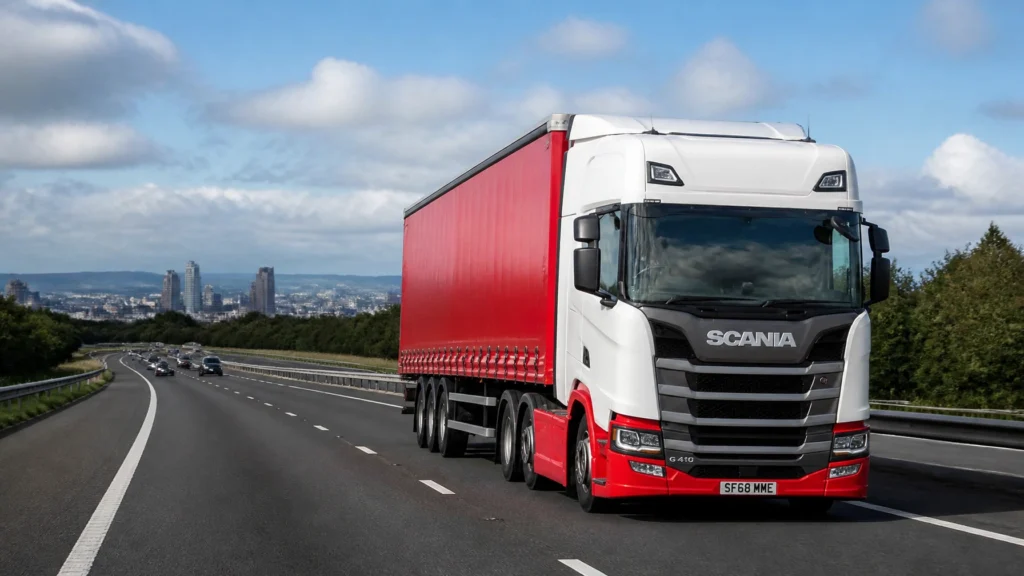
If you’ve ever found yourself stuck in a dead-end job, staring out the window and wishing you were anywhere else, you’re not alone. Thousands of people across the Central Belt are currently looking for a way to take the bull by the horns and steer their professional lives in a more lucrative direction. In 2026, the answer for many is sitting right in front of them, often seen cruising down the M8 or parked at a Highland rest stop: the haulage industry.
But getting behind the wheel of a 44-tonne behemoth isn’t something you just wake up and do. It requires a smart move, a bit of grit, and the best hgv training glasgow has to offer. Whether you’re looking to upgrade a car license to a 7.5-tonne van or you want to go "all in" with a Class 1 articulated lorry, navigating the road to success in Scotland requires the right map.
Why Glasgow is the Heart of Scottish Haulage
Scotland’s economy relies heavily on road infrastructure. Because of our unique geography: stretching from the busy hubs of the Central Belt to the winding roads of the Highlands: road freight remains the lifeblood of our supply chains. Glasgow, specifically, sits at the intersection of the nation’s most vital transport corridors.
For that reason, starting your journey here isn't just convenient; it’s a strategic career decision. When you look for an lgv course in this city, you aren't just learning to drive; you’re positioning yourself at the gateway to the entire UK logistics network. With the Glasgow Low Emission Zone (LEZ) now firmly in place, the industry has shifted toward modern, Euro-6 compliant vehicles and alternative fuel technologies. This means the modern driver needs to be more than just a "steer-er": they need to be a professional technician of the road.

Choosing Your Path: The License Hierarchy
One of the most common questions we get at HGV Training Glasgow is, "Which license do I actually need?" It can feel like alphabet soup with all the categories, but let’s break it down into plain English.
1. Category C1 (The 7.5 Tonne Entry)
If you’re looking to drive ambulances, supermarket delivery trucks, or smaller horseboxes, the C1 training is your best bet. It covers vehicles between 3,500kg and 7,500kg. It’s a popular choice for those who want to enter the industry without the intimidation factor of a full-sized lorry. At just £995, it’s also one of the most accessible entry points.
2. Category C (The "Class 2")
This is the standard entry-level license for professional HGV driving. A Category C license allows you to operate any rigid vehicle over 3.5 tonnes. Think of the large refuse trucks or the heavy delivery lorries you see in the city center. It’s a vital step for many and offers a fantastic balance of local work and decent pay.
3. Category C+E (The "Class 1" Gold Standard)
If you want to maximize your earning potential, C+E training is the way to go. This allows you to drive fully articulated lorries with detachable trailers, weighing up to 44 tonnes. While it requires more intensive in-vehicle practical training (usually around 25 hours), the payoff is significant. In 2026, experienced Class 1 drivers in Scotland are frequently seeing salaries in the £35,000 to £45,000 range, especially for those willing to take on night shifts or specialist roles.
The Training Journey: From Medical to Motorway
The process of getting your license is a logical progression, but you have to follow the steps to ensure you don’t hit any roadblocks.
- The Medical Assessment: Every professional driver needs to be fit for the road. We arrange a medical assessment to ensure your eyesight and general health meet the DVSA standards.
- Theory & Case Studies: Before you touch a steering wheel, you need to understand the rules of the road and the theory behind heavy vehicle dynamics. We provide all the study materials and support you need to pass these hurdles with confidence.
- Practical Training: This is where the magic happens. You’ll spend time in the cab with our highly experienced and patient instructors. Our focus is on authentic, hands-on experience in modern vehicles, ensuring you aren’t just "passing a test" but becoming a competent driver.

Beyond Trucks: Bus and Minibus Training
It’s not all about moving freight. Public and private transport is just as critical to Scotland’s infrastructure. If you prefer working with people rather than palettes, bus training (Category D) or minibus training (Category D1) offers a rewarding and stable career path. Whether it’s driving for a major transport firm in Glasgow or operating school transport, the demand for qualified PCV drivers remains high.
The Financial Reality: Is it a Smart Move?
Let’s talk numbers, because at the end of the day, you’re doing this to improve your life. The cost of hgv courses scotland can seem like a hurdle, but you have to view it as an investment in your "human capital."
Currently, our pricing is designed to be transparent and competitive. For instance, a Class 2 (Category C) course sits at £1695. When you consider that a newly qualified driver can easily earn over £30,000 in their first year, the ROI (Return on Investment) is incredibly fast. Compare that to a multi-year university degree, and the logic becomes clear. This is why we also offer finance options through partner companies: because we believe financial barriers shouldn't stop you from getting on the road to a new career.
Staying Professional: The CPC Factor
Once you have your license, the learning doesn't stop. To drive professionally, you must hold a Driver Certificate of Professional Competence (CPC). You’ll need to complete 35 hours of CPC training every five years to keep your qualification valid. We offer these courses at £55 per module, making it easy and affordable to stay compliant with UK safety rules.

Navigating Scotland's Unique Road Challenges
Driving an HGV in Scotland isn't the same as driving on a flat motorway in the South of England. You have to account for:
- The Weather: From the "beast from the east" to typical Scottish rain, our instructors teach you how to handle heavy vehicles in less-than-ideal conditions.
- The Infrastructure: Navigating the M8 through the center of Glasgow requires a steady hand and excellent spatial awareness.
- Devolved Regulations: Staying updated on specific Scottish transport policies and low-emission zone requirements is vital for any modern driver.
Final Thoughts: Take Control of Your Future
The haulage industry in 2026 is no longer the "grease and gears" world of the past. It’s a high-tech, high-demand, and highly respected profession. By choosing lgv glasgow for your training, you are choosing a company with a high first-time pass rate and a commitment to your long-term success.
Stop wishing for a better career and start driving toward one. Whether you want to upgrade your license, start from scratch, or become a Transport Manager, the road is open.
Ready to get started? Check out our full range of HGV training courses or give us a call today to discuss your future on the road.
