If you’ve been keeping an eye on the Scottish economy lately, you’ll know that the logistics sector isn’t just ticking along: it’s the engine room of the country. As we navigate through 2026, the demand for skilled drivers has never been more vital. You might have heard whispers of "the driver shortage" over the years, but today, that shortage has evolved into a stable, high-demand career path for those willing to take the bull by the horns and get behind the wheel.
Whether you’re looking to escape the four walls of an office or you’re aiming to upgrade your current license, understanding the landscape of hgv training Glasgow is your first step toward a lucrative future. In this guide, we’re going to peel back the curtain on what you can actually expect to earn, the costs involved in getting started, and why Scotland remains one of the best places in the UK to launch your driving career.
The 2026 Landscape: Why HGV Driving is a Smart Move
The "new normal" for the haulage industry in 2026 is defined by resilience and professionalisation. While the massive pay spikes of a few years ago have stabilised, they’ve settled at a much higher baseline than we saw a decade ago. For you, this means that entering the industry now isn't about chasing a temporary trend; it's about securing a long-term professional future.
In Scotland, specifically across the Central Belt and reaching up toward the Highlands, the infrastructure relies heavily on road transport. From the supermarkets in Glasgow to the construction sites in the north, the need for Category C and C+E drivers remains constant. This is why HGV driving offers some of the best job prospects in the current market.
Understanding the License Categories
Before we talk numbers, we need to clarify what you’ll be driving. The "HGV" (Heavy Goods Vehicle) or "LGV" (Large Goods Vehicle) umbrella covers several distinct categories:
- Category C1: For vehicles between 3,500kg and 7,500kg. Often used for ambulances or delivery vans.
- Category C (Class 2): These are rigid vehicles over 7,500kg. This is the most common entry point for those starting an lgv course.
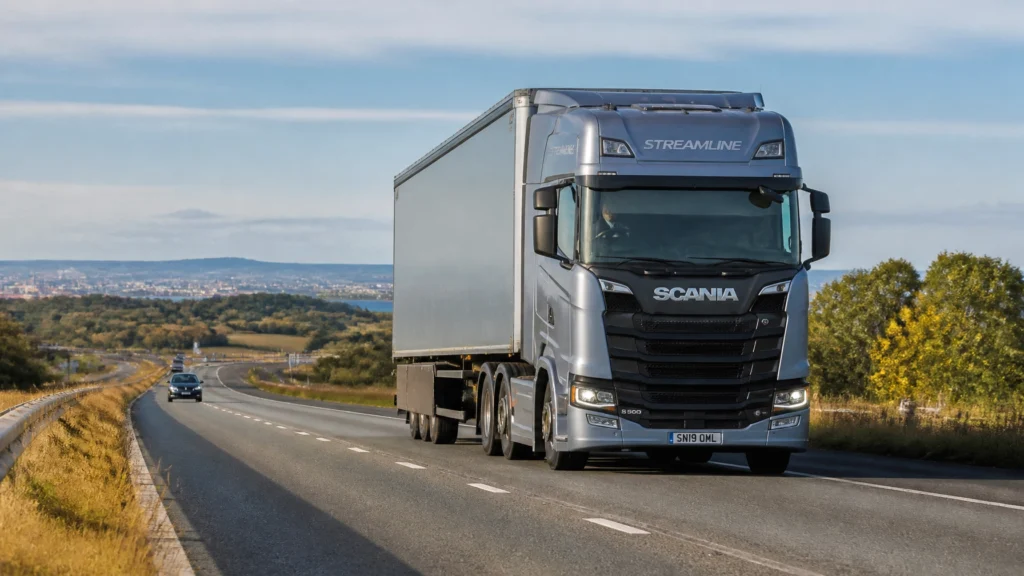
- Category C+E (Class 1): The "big rigs." These are articulated lorries with a trailer. This is where the highest earning potential lies.
- Category D1/D: This covers bus training and minibuses. If you prefer people to pallets, understanding when you need a specific license for a minibus is crucial.

Salary Guide 2026: What’s in the Pay Packet?
Let’s get down to brass tacks. What will you actually see in your bank account? While rates vary based on experience and the specific firm, here is the 2026 outlook for drivers in Scotland.
Category C (Class 2) Earnings
For many, the Category C licence opens up job opportunities in local distribution.
- Annual Salary: £28,000 – £35,000
- Hourly Rate: £14 – £17 per hour
Class 2 work is often "home every night," making it ideal for those who value a predictable schedule.
Category C+E (Class 1) Earnings
If you’re willing to go the distance, Class 1 is where the money is.
- Annual Salary: £38,000 – £52,000+
- Hourly Rate: £18 – £24 per hour
Those who engage in "tramping" (staying in the cab overnight) or night shifts often see their annual earnings climb well north of £50,000 when bonuses and night premiums are factored in.
Specialist Roles
Once you have your foot in the door, you can specialize. Drivers with ADR (hazardous goods) certifications or those operating tankers often command a premium of £5,000 – £10,000 more per year than general haulage drivers.
The Training Journey in Glasgow: How to Get Started
Getting your license isn't an overnight process, but it is faster than most career transitions. At HGV Training Glasgow, we focus on a streamlined, supportive process.
- The Medical: A simple check-up to ensure you’re fit for the road.
- Theory & Hazard Perception: Just like a car test, but on a much larger scale. You’ll need to study: our theory test preparation materials are vital here.
- Practical Training: This is the heart of the lgv glasgow experience. You’ll be in the cab with an instructor, learning how to handle 44 tonnes of machinery with precision.
- CPC (Certificate of Professional Competence): This is a mandatory requirement for all professional drivers. It’s not just a one-time thing; you’ll need to maintain this through periodic training.

The Real Costs of HGV Courses in Scotland
Transparency is key. A comprehensive hgv courses Scotland package in 2026 typically ranges between £1,500 and £3,000. This might seem like a significant outlay, but when you compare it to the cost of a university degree: and then look at the immediate earning potential: it’s one of the most cost-effective career moves you can make.
Most of our students find that their training costs are fully recouped within the first six months of full-time employment. Furthermore, the HGV driver shortage has become a massive opportunity for women, with many firms offering incentive schemes and flexible hours to attract a more diverse workforce.
Life on the Road: It’s More Than Just Driving
Driving an HGV in 2026 isn't just about steering; it’s about responsibility and safety. You’ll need to become an expert on why drivers’ hours rules matter, ensuring you stay within legal limits for rest and work. Modern trucks are also surprisingly high-tech, featuring advanced safety systems and ergonomic cabs that make long stints on the road much more comfortable than they used to be.

For those looking at the passenger side of the industry, bus training in Glasgow offers a different but equally rewarding path. Driving a bus or coach allows you to be at the heart of the community, and with the Scottish government’s continued investment in public transport, job security in this sector is rock solid.

Conclusion: Get on the Road to a New Career
The road ahead for HGV drivers in Scotland is wide and clear. With competitive salaries, the flexibility to choose your own path, and the support of expert instructors at HGV Training Glasgow, there’s never been a better time to make the switch.
Don't let another year pass by in a job that doesn't challenge or reward you. Take control of your professional future today. Whether you’re interested in a Class 1 long-haul career or a local Class 2 role, we’re here to help you navigate the journey from the classroom to the open road.
Ready to start your journey? Contact HGV Training Glasgow today and let’s get you moving.